
Summit Pages: Handcrafted Journals and Alpine Sketching
Today we explore Handcrafted Alpine Journals and Sketching Practices for Summit Days, uniting resilient bookbinding with nimble field art shaped by altitude, wind, and shifting light. You will find practical guidance on lay-flat bindings, weather-ready papers, ultralight kits, fast studies in biting gusts, and reflective notes that bond memory to map, elevation, and effort. Come along to learn techniques, gather stories from windswept ridges, and share your own pages, so the mountains you climb continue to live through ink, pigment, texture, and thoughtful observation.

Paper and Binding That Endure the Ridgeline

When the sky presses close and granite becomes your desk, construction matters. Cotton-rich papers handle repeated wetting, lifting, and hurried graphite better than cheap pulp, while stitched spines that truly lie flat keep lines clean on rocky rests. Neutral pH adhesives resist brittle cold, waxed linen thread shrugs off dampness, and firm yet flexible covers cushion packs without adding punishing grams. Build a book that meets thin air with confidence and you will sketch more often, more fluidly, and with far fewer compromises.

Five-minute summit studies that hold the whole mountain

Set a timer, breathe once, and block silhouettes in thirty seconds before chasing interior angles. Work from horizon to near rocks, locking proportion with three landmark triangles. Scribble wind direction and altitude in the margin for later context. Resist erasing; simply restate lines with darker graphite. At the bell, stop. Those honest, time-pressed gestures often sing louder than polished studio redraws, because urgency filters distraction and leaves only the ridgeline, the sky, and your heartbeat on the paper.

Chasing shifting light, clouds, and fleeting snow banners

Clouds move faster than your pencil, so write color words as you see them—cool violet shadow, warm ochre sun, icy blue rim—then glaze later. Indicate cloud direction with swift arrows, mark intervals between shadows on slopes, and circle high-contrast edges for emphasis. If spindrift pours like smoke from the cornice, hint with broken hatching rather than heavy tone. When the gap closes and light vanishes, you still have a clear plan, a map of intention ready for evening washes.

Color, Water, and the Thin-Air Palette

{{SECTION_SUBTITLE}}
A three-color kit that earns every gram in your pack
Ultramarine blue, quinacridone rose, and a transparent, slightly green-leaning yellow build convincing mountain violets, sunlit lichens, and distant haze. Add a dab of burnt sienna for rugged neutrals that echo schist and sunburnt grass. Pre-mix a shadow pool before the climb to speed decisions. Keep pans small but deep for brush loading in wind. Swatch mixes on the fly, writing ratios right beside them, because accuracy later depends on language you created while your eyes negotiated rapidly changing alpine light.

Snowmelt, condensation, and safe, minimal water tactics
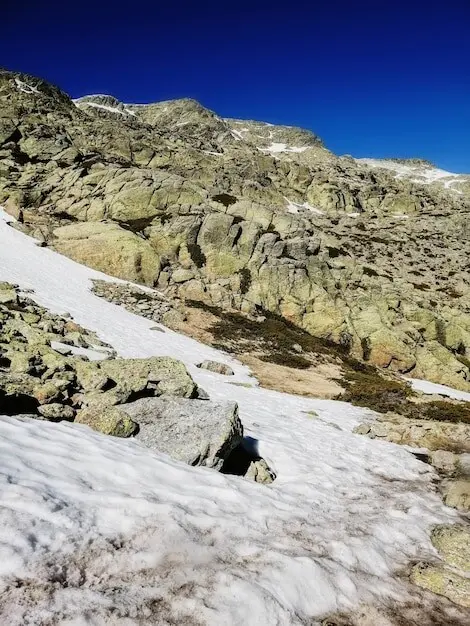
Snow is tempting but unpredictable; always treat or melt it carefully away from open pages, then use drops sparingly with a water brush to avoid swelling fibers. Condensation forms inside warm jackets, so store tins in a breathable pouch. Refill syringes at camp, not on the ridge. Wipe bristles on a dedicated cloth, never on sleeves that must stay insulating. A tiny atomizer revives pans for glazing, proving that measured moisture, not abundance, makes color sing in thin, bright, biting air.

A simple metadata scaffold for every page you make

Start with date, peak or pass name, elevation range, and coordinates. Add temperature, wind direction, and a quick sky code you invent—thin high cloud, building cumulus, or murk. Sketch a mini route line with dots for rests. Include flora notes when alpine flowers appear through thawing scree. End with energy level and time on feet. This repeatable scaffold shapes habit, turning scattered impressions into dependable, comparable records that guide future choices when horizons, legs, and forecasts all feel uncertain.

Mindful prompts that bridge effort, landscape, and meaning

Write three short prompts at the bottom margin: what surprised me, what challenged me, what I want to remember. Answer quickly, even when wind chatters your teeth. These tiny reflections tether sensations to the page, deepening sketches with story. Over months, patterns emerge—where confidence rises, when caution whispers, which colors calm you on knife-edge traverses. Mindfulness here is practical, not ornamental; it keeps attention gentle and awake, helping art hold experience without blurring it under the hurry of descent.

Safety annotations for cornices, whiteouts, and hard choices

Noting danger sharpens perception. Circle suspect overhangs and write approximate setback distances. Mark where visibility collapsed and which bearings brought you safely to the saddle. Record undercut moats near towers, plus times when small choices felt big. This is not fearmongering; it is stewardship of memory. When others read your shared scans, they benefit from your eyes and humility. When you return, those candid notations greet you like a wiser partner, reminding you to sketch, pause, and choose thoughtfully again.

Packing the Pocket Studio for the Climb
An ultralight checklist that respects grams and fingers

One lay-flat journal, two pencils (HB and 2B), mini sharpener, kneaded eraser, brush pen, two colored pencils for quick accents, tiny watercolor tin, water brush, cloth, three clips, and a zip pouch. Add a backup micro pen only if it starts reliably in cold. Pre-label everything with reflective tape. Keep tools chunky enough for gloves yet precise enough for notes. This list earns its spot because nothing argues with the wind, and every piece invites you to draw more often.

Keeping pages safe from gusts, sleet, and backpack carnage

Use two opposing clips to pin spreads, then angle the book so wind skims the top edge rather than burrowing underneath. Slip finished pages behind a waxed interleaving sheet to prevent transfers. Bag the whole kit when sleet needles sideways. Inside your pack, park the journal flat against the frame, not squashed near crampons. When stopping, treat the book like a fragile stove: deliberate, protected, and central. That small care multiplies finished pages and preserves the quiet details you hiked so far to witness.

Warm hands mean clear lines, so plan for comfort
Cold shortens attention and shrinks handwriting. Layer thin liners under windproof mitts, keep chemical warmers near wrists, and schedule brief drawing bursts with movement breaks. Choose tools that respond gently without death-grip pressure. Stash a micro towel inside your jacket to dry pages and fingers together. If the day bites harder than forecast, switch to notes and thumbnails, promising color for camp. Comfort is not luxury up high; it is permission for observation, so your marks stay honest and strong.

Digitizing without losing the tooth and deckle you love

Use natural window light, angle the camera to avoid glare, and place black foam board beneath to reveal edges. Shoot at generous resolution, then nudge white balance toward what your swatches recorded. Avoid heavy sharpening that flattens grain. If stitching panoramas, overlap by a good margin and align ridge landmarks, not page corners. Save layered files and a modest web version. The aim is faithful memory, not perfection, honoring pigments, pressure, and paper as they truly appeared above treeline.

Indexing, tagging, and turning art into a planning library

Create a back-of-book index for peaks, passes, and seasons, then mirror it digitally with tags for elevation, wind, temperatures, and surface conditions. Note which palettes worked and which bindings misbehaved. Over time, these patterns whisper reliable advice—bring more clips here, leave delicate nibs there, expect afternoon gusts beyond the saddle. Your sketchbook stops being a scrapbook and becomes a living reference, shortening guesswork and lengthening the moments when you can simply look, breathe, and draw with easy trust.

Community invitations: reply, subscribe, and trade ridge wisdom

Post a page that still smells like cold and tell one small thing you learned while making it. Ask readers what tools begin reliably for them when frost bites, and which pigments sing on granite. Subscribe for fresh field exercises, binding experiments, and seasonal kit tweaks. Comment with questions, corrections, or favorite ridges to sketch. Together we refine judgment, grow braver with color, and widen the circle of care that keeps everyone safer, more observant, and joyfully sketching when the sky opens.

Zoridaxisentolori
Privacy Overview

This website uses cookies so that we can provide you with the best user experience possible. Cookie information is stored in your browser and performs functions such as recognising you when you return to our website and helping our team to understand which sections of the website you find most interesting and useful.