Minimal Shelter, Maximum Altitude

Step into a world where weightless decisions anchor resilient comfort. Today, we explore designing off-grid alpine cabins with a minimalist ethos—pared-back forms, precise details, and systems that work as quietly as snowfall. From sun-splayed ridgelines to snow-loaded roofs and whisper-tight envelopes, discover how less becomes durable, safe, and deeply human. Share your questions, stories, and sketches; build a thoughtful refuge that honors mountain weather and your own need for clear, uncomplicated living.

Reading Weather in Timber and Stone

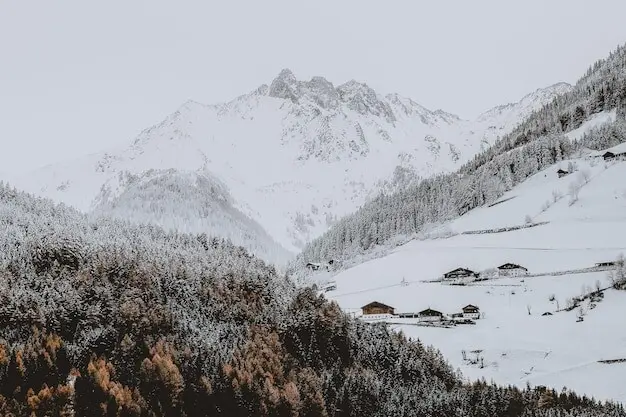
Before a single board is cut, the mountain has already written most of the brief. Orientation, wind corridors, avalanche paths, and winter sun angles decide where a cabin can rest and how it should breathe. Minimalism here means listening: removing every indulgence that fights the site, keeping only choices that heighten safety, light, and silence. Hikers recall the first dawn after a storm—the bright calm that follows smart siting and a roof untroubled by drifts.

Snow Loads, Wind Rakes, and Calm Frames

Design for the worst credible storm with generous factors, then add a margin for the story you didn’t predict. Steep, uninterrupted roof planes shed cleanly; short eaves resist uplift; simple gable geometry avoids drifting pockets. Consider glulam or well-graded timber and tight sheathing patterns. Fewer penetrations mean fewer worries. Minimalism shows up as clarity: every member knows its job, and every connection reads like handwriting you can trust in a blizzard.

Continuous Insulation, Honest Joints

Thermal bridges are leaks you can’t see but will pay for nightly. Wrap the structure in continuous insulation, align air barriers, and specify tapes that tolerate cold, sun, and time. Keep layers legible: load path, sheathing, airtightness, vapor control, insulation, cladding. When you can trace each with a pencil on a section drawing without lifting your hand, you are approaching the kind of restraint that saves watts, dollars, and maintenance headaches.

Windows That Earn Their View

Use fewer, better units: triple glazing, warm-edge spacers, insulated frames, and installation that aligns with the thermal layer. Size for daylight and passive gain, not spectacle alone. Detail sills to shed meltwater like a practiced skier carving a line. Internal condensation becomes a stranger when interior humidity is moderated, thermal continuity is intact, and the glass surface stays warm enough that breath writes only stories, not frost flowers.

Power, Water, Heat: Independence Without Excess

Self-reliance at altitude rewards modest appetites and dependable systems. Solar arrays sized to winter yield, storage that endures cloudy weeks, and loads chosen for thrift create a quiet hum instead of a growl. Water arrives clean with gravity and leaves cleaner through thoughtful treatment. Heat is steady, not heroic, thanks to envelope-first thinking and a small, safe fire. The result is comfort that looks like nothing at all—and feels like everything.

Small Interiors That Feel Vast

Building Lightly in Hard Places

Remote sites turn bravado into spreadsheets. Weight, weather windows, crew stamina, and leave-no-trace promises all collide. Prefabrication shrinks on-site chaos, while modular assemblies thread through narrow roads or sling beneath a helicopter without drama. Foundations touch lightly yet firmly, respecting soils and seasons. Success looks ordinary: a clean site, neighbors unbothered, crews safe, and a structure ready before the first heavy snow announces grading season is over.

Care, Codes, and Community

Good neighbors are part of the structure. Permitting, easements, rescue access, and fire defensibility matter as much as insulation thickness. Learn local histories and listen to people who know which drifts hide rocks every April. Draft a maintenance calendar that respects winter’s long reach. When storms test the cabin, gratitude replaces worry because responsibilities were met early—with humility, clarity, and a willingness to keep learning each season you return.
Zoridaxisentolori
Privacy Overview

This website uses cookies so that we can provide you with the best user experience possible. Cookie information is stored in your browser and performs functions such as recognising you when you return to our website and helping our team to understand which sections of the website you find most interesting and useful.